


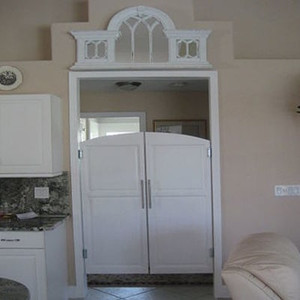
Swing Door Installation & Maintenance Tips That Last
Mastering Swinging Doors: Installation and Maintenance Guide
Swinging doors—whether used in kitchens, dining rooms, commercial spaces, or residential entryways—combine charm, convenience, and efficiency. From timeless café doors to full-height butler doors, these versatile barriers allow easy movement between spaces while maintaining separation for noise, privacy, or aesthetics. However, ensuring long-term performance requires more than simply hanging the door—precision in installation, correct hinge selection, and consistent upkeep are key.
In this expanded guide, we’ll walk you through how to install a swinging door step-by-step, choose the right swinging door hinges, and keep your door in prime condition for years. Whether you’re performing a swing door installation for the first time, replacing a tired door, or troubleshooting swing door repair, these tips will help you master the process.
Key Takeaways
- Install with precision: measure accurately, choose the right hinges, and test clearances for a smooth swing.
- Maintain routinely: clean gently, lubricate hinges, tighten hardware, and adjust for seasonal wood movement.
- Troubleshoot fast: fix sticking by adjusting/planing, silence squeaks with lube, secure loose knobs/locks, and rehang if swing is uneven.
The Art of Swinging Doors: Mastering Installation and Maintenance
Elegant and functional, the classic swinging door is a fixture in most homes and commercial spaces. However, despite their seeming simplicity, swinging doors require careful installation and regular maintenance to function properly and maintain their aesthetic appeal. Whether you're a homeowner looking to replace your doors or a property manager maintaining a commercial building, mastering the art of swinging door care can save you time, money, and a great deal of frustration.
In this comprehensive guide, we’ll walk you through the essential steps for installing swinging doors, provide a roadmap for ongoing maintenance, and empower you to troubleshoot and solve common door issues like a pro. Whether you’re a seasoned DIY enthusiast or a first-time homeowner, these tips will ensure that your swinging doors enhance your space for years to come.
Proper Installation Techniques
Step 1: Measure Twice, Cut Once
Accurate measurements are the foundation of a successful swinging door installation.
- Measure both height and width of the frame in multiple spots to detect any variation.
- For irregular openings, use the largest measurement and adjust the door or hinges during fitting.
- Allow proper clearance—typically ⅛" at the top and sides—to prevent rubbing.
Step 2: Select and Position Hinges
Choosing the right swinging door hinges is just as important as the door itself.
- Light-duty café doors: Often use spring-loaded double-action hinges.
- Full-size butler doors: May require heavy-duty butler hinges or horizontal pivot hinges for stability.
- Mark hinge positions—6–10 inches from the top and bottom of the door is standard.
- Pre-drill screw holes to prevent wood splitting and ensure a firm hold.
Step 3: Install Hinges and Hang the Door
- Attach hinges to the door first, then align them with the door frame or floor pivot plate.
- Use a level to ensure the door hangs straight before tightening screws fully.
- Test the swing in both directions before final fastening.
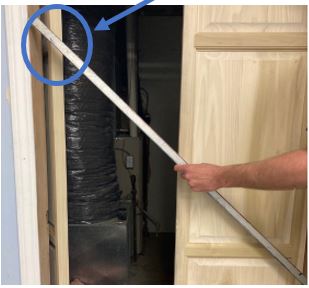
Step 4: Install Knob or Pulls (If Needed)
Not all swinging doors require handles, but if you’re adding one:
- Follow the manufacturer’s placement guide for ergonomic height.
- Ensure the handle(s) don’t interfere with the swing arc.
Step 5: Final Adjustments
- Check for a smooth swing and even return to center.
- Plane edges if there’s floor or frame contact.
- Verify latch or hold-open functions work correctly (if equipped).
Maintenance Guidelines for Longevity
Keep Them Clean
Dust and grime can build up around hinges and edges, affecting swing and finish. Use a soft cloth and mild cleaner.
Lubricate Moving Parts
Lubricate hinge pins and moving parts every 6–12 months. For high-traffic commercial doors, monthly lubrication may be necessary.
Inspect for Damage
Check for loose screws, hinge wear, or cracks in wood panels. Tighten hardware promptly to avoid worsening issues.
Check Seasonal Fit
Wood doors may swell in summer and contract in winter. A quick hinge adjustment can restore proper clearance.
Troubleshooting Common Swing Door Repair Issues
- Door Sticks or Binds: Likely hinge misalignment or swelling. Loosen screws, adjust position, and retighten.
- Door Won’t Self-Center: Adjust hinge spring tension (for spring hinges) or check for bent pivot hardware.
- Uneven Swing: Frame may be out of square—shim hinges if needed.
- Door Squeaks: Apply silicone spray or petroleum jelly to hinge pins.
- Loose Knob or Hardware: Replace stripped screws and reinforce with wood filler if necessary.
- Sagging Door: Tighten hinge screws or upgrade to heavier-duty hinges for large or solid-core doors.
Pro Tips for Better Swing Door Installation & Maintenance
- Always install heavy-duty hardware for custom butler doors in high-traffic areas.
- If the door will see moisture (bathroom, kitchen), choose corrosion-resistant hinges.
- For commercial spaces, use stainless steel or brass pivots for maximum durability.
- Keep a small swing clearance gauge on hand for quick checks.
Keep Your Swinging Doors Operating Like New
Whether you’re installing a new swinging door, upgrading to custom butler doors, or fixing a hinge issue, the right hardware and maintenance will make the difference between a door that lasts decades and one that needs frequent repairs.
Explore our full selection of swinging door hinges, butler door hardware, and custom door styles to find the perfect solution for your space. Get a custom quote today.